
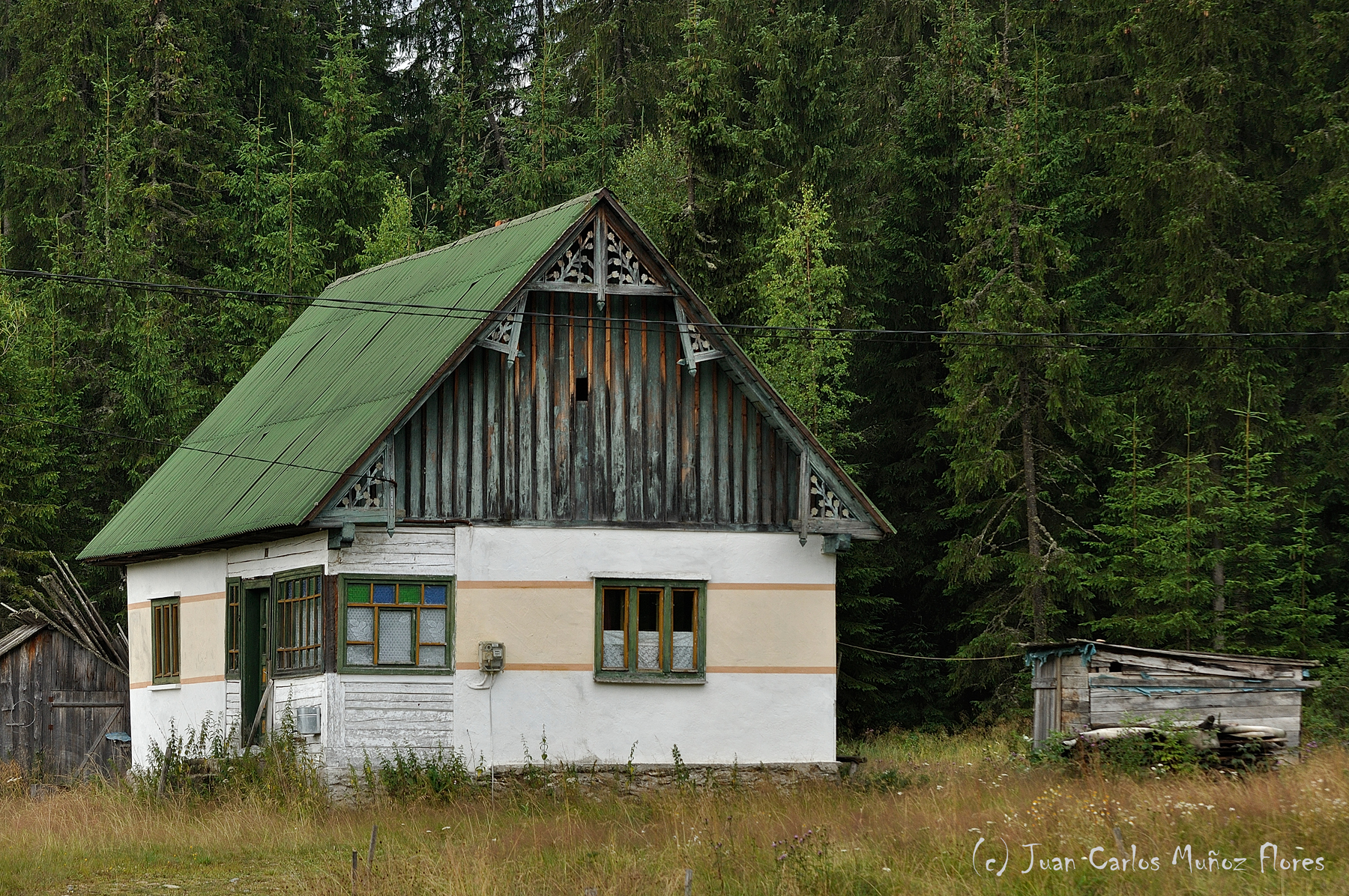
After several months of hard work by the #AGRI&TOUR partners, we are proud to announce one of the project’s first outputs. These are market studies on agritourism in Romania, Spain, Ireland and Italy, together with a summary report.
Unfortunately, data on the supply and demand for agritourism is often quite difficult to obtain, and in many territories, there are not even any official figures, so the partners have carried out their own market research. Led by the University of Almería, they have conducted these studies, which cover topics such as trends, specific characteristics, supply, demand, and best practices. This will help both to clarify the concept and to differentiate it from other concepts such as rural tourism, ecotourism, green tourism, wine tourism, etc., and show the interferences with them.
The specific objectives of these studies include to:
-Identify market trends, opportunities, and challenges.
-Analyse the demand and supply of agritourism services.
-Identify tourism associations and how agritourism ventures are represented.
-Assess the regulatory framework affecting agritourism development.
-Describe the taxing systems regarding the agritourism professional activity.
-Evaluate consumer preferences and behaviour in relation to agritourism experiences.
-Provide strategic recommendations for the development of agritourism businesses and policy interventions.
The partners have established a common working methodology to ensure the consistency of documents and to strive for standardised market research, although differences in the availability of information across countries have led us to make minor adjustments. For example, our colleagues at TUS have launched a survey amongst Irish farmers, whilst our colleagues at ASR have drawn on official statistical sources to profile the agritourism sector in Italy in general and in the Umbria region in particular.
To carry out these market research, the partners have drawn on both primary sources (conducting surveys, interviews, and focus groups with key stakeholders, including agritourism businesses, policymakers, tourists, and industry experts) and secondary sources (reviewing of existing reports, academic studies, government policies, and statistical data on agritourism). Thanks to this wide range of information sources, they have not only identified the key characteristics of the agritourism market but have also outlined some key insights and strategic recommendations for improvement, producing a document for each country.
Once finished the national reports, COAG-Jaén drafted a summary report based on the national agritourism market research including key insights and strategic recommendations. This report provides an analysis of the agritourism market, highlighting both similarities and unique features within each region that will be helpful for developing in next steps tailored strategies to promote agritourism in Europe or even formulating policy and business recommendations based on data-driven findings. Did you know that the context matters that much regarding agritourism? Did you know that what is legally defined as agrotourism in some places may not be considered as such in a different territory, even in the same country? Do you want to know more about agritourism in other countries? Download the market research documents from our website and follow our blog and social media channels for further information. And please, share your comments.